
banjul News
6 min read
African Princess Beach Hotel in Sanyang features beachfront stays from USD 50, 1.5-2 hours from Banjul. Learn about rooms, dining, transport, and local customs.


In Banjul, visit the National Museum of The Gambia, showcasing local history and culture for 25 GMD. Stroll along the Albert Market for local crafts and fresh produce, open daily from 8 AM to 6 PM. Ba...
Find tours, hotels, restaurants, and guides in Banjul
Arch 22: This monumental arch is a prominent landmark in Banjul. Standing 35 meters high, it commemorates the 1994 coup d'état. Climb to the top for panoramic views of the city and the surrounding area.
National Museum of The Gambia: This museum displays artifacts from various periods of Gambian history. It features exhibitions on traditional crafts, musical instruments, and the country's colonial past.
Albert Market: A lively market where locals buy and sell fresh produce, textiles, and handicrafts. Experience daily life in Banjul and pick up souvenirs.
Fort Banjul: Built in 1816, this fort provides insight into the colonial history of The Gambia. Although not fully restored, it remains an interesting site for those interested in history and military architecture.
The Kairaba Beach Hotel Restaurant: A short drive from Banjul, this restaurant offers a variety of local and international dishes in a relaxed setting. Known for its seafood, it serves as a place to unwind after a day of sightseeing.
The Cape Point Restaurant: This restaurant features authentic Gambian dishes, including domoda (peanut stew) and benachin (jollof rice). Located near the beach, it provides a pleasant dining option.
Café de Paris: A local café serving light meals, snacks, and beverages. It’s a spot for breakfast or a quick lunch, offering local pastries and coffee.
Banjul's Best Hotel: A mid-range hotel in Banjul, offering comfortable rooms and basic amenities. Convenient for accessing local attractions.
The Gambia Coral Beach Hotel: This hotel on the coast provides an upscale experience with beach access and amenities like a pool and restaurant.
Sunset Beach Hotel: Situated outside Banjul, this hotel offers a relaxing atmosphere with ocean views, ideal for travelers seeking tranquility.
Banjul is accessible via Banjul International Airport, approximately 26 kilometers from the city center. Taxis are available at the airport, and the journey takes about 30 minutes. Public transport options include minibuses, a cheaper alternative that may take longer due to multiple stops.
Q: What is the best time to visit Banjul?
A: The best time to visit Banjul is during the dry season, from November to May, when temperatures are more comfortable and humidity is lower.
Q: Do I need a visa to visit The Gambia?
A: Many nationalities require a visa to enter The Gambia, but some may qualify for visa-on-arrival or visa-free entry. Check with the Gambian embassy or consulate for specific requirements.
Q: Is it safe to walk around Banjul?
A: Banjul is generally safe for tourists, especially during the day. However, like any city, it’s advisable to stay aware of your surroundings and avoid isolated areas at night.
Q: What currency is used in The Gambia?
A: The Gambian dalasi (GMD) is the official currency. It is recommended to exchange some money upon arrival or use ATMs available in the city.
Q: Are there any cultural customs I should be aware of?
A: Gambians are friendly and hospitable. It is polite to greet people, and modest dress is recommended, especially in local markets and rural areas.
African Princess Beach Hotel in Sanyang features beachfront stays from USD 50, 1.5-2 hours from Banjul. Learn about rooms, dining, transport, and local customs.

Albert Market, established in 1816 in downtown Banjul, sells local crafts and produce with prices starting at 50 Gambian dalasi (GMD) for handcrafted bracelets. The market is 1.5 km from Banjul Ferry Terminal, where daytime temperatures average 30°C between November and May.
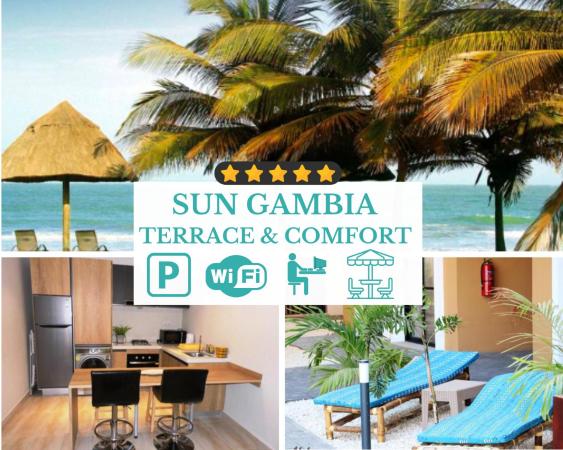

Sun Gambia Apartment is 300m from Senegambia Beach with A/C, pool, parking, and rates from $75/night.
Banjul is accessible via Banjul International Airport, approximately 26 kilometers from the city center. Taxis are available at the airport, and the journey takes about 30 minutes. Public transport options include minibuses, a cheaper alternative that may take longer due to multiple stops.


