
Tours in The Gambia typically include visits to the Abuko Nature Reserve, Kachikally Crocodile Pool, and river cruises on the Gambia River, with prices ranging from $30 to $100 per day depending on the itinerary. Many operators in Banjul and Serrekunda offer guided day trips and multi-day packages that combine wildlife, cultural sites, and beach time.
Travelers looking for affordable, well-organized day tours and multi-day excursions focused on wildlife and cultural experiences.
Local tour companies provide knowledgeable guides and convenient pickup from major hotels, making it easy to book without extensive planning.
Some tours can be basic in terms of transportation and facilities, and quality varies between operators, so prior research or recommendations are important.
Booking tours through reputable hotels or international agencies online before arrival can ensure higher standards and more comfortable transport options.
Where to stay in and around Banjul
Live rates from Booking.com, Agoda, Hotels.com and more — stays picked by review score.

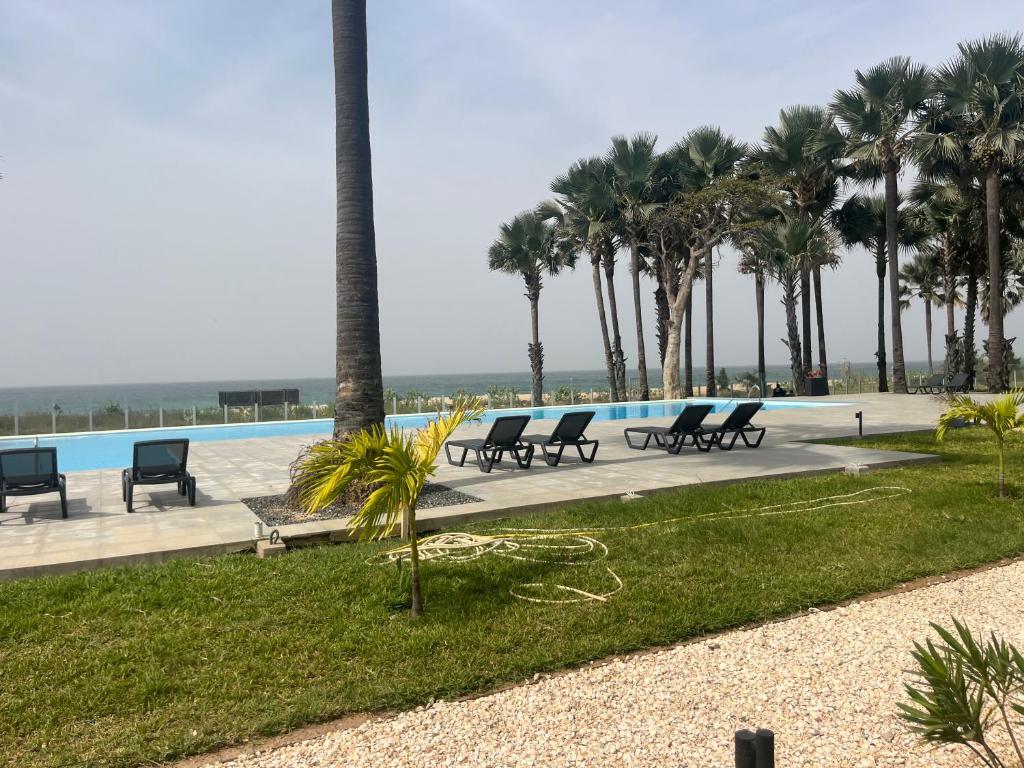
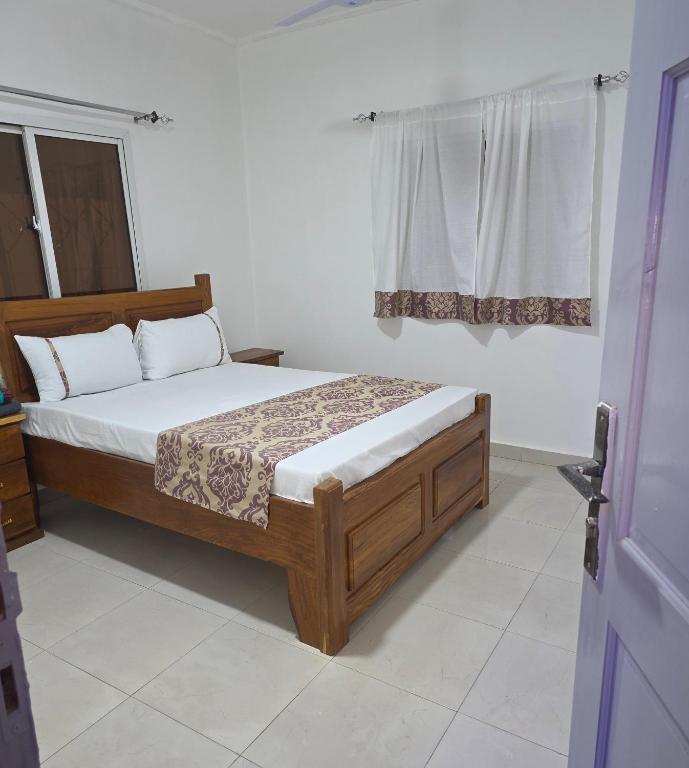
Sun Gambia Apartment - Terrace - Pool - Air Conditioner & Parking - 300m from Senegambia Beach - SPECIAL OFFER NOW
from $74.65

Prices and availability shown on partner sites at time of click. We may earn a commission.
Before you go
The Gambia has been ranked 68th worldwide for passport strength in 2026, allowing Gambian passport holders visa-free or visa-on-arrival access to 70 countries. This ranking reflects the travel freedom available to citizens and residents departing from Banjul International Airport. While this is a moderate position globally, it is important for travelers to understand how this affects their trip planning, especially in relation to popular destinations and visa requirements.
The ranking was published as part of a global passport index update, highlighting how various countries' diplomatic agreements influence travel accessibility. For those based in Banjul, the 70 visa-free destinations include a mix of African, Asian, and Caribbean countries, as well as select European nations.
How does departing Banjul affect travelers?
Travelers holding Gambian passports can enter 70 countries without pre-arranged visas, simplifying short-term tourism and business trips. Countries within the Economic Community of West African States (ECOWAS) region remain the most accessible, with unrestricted movement among member states. This facilitates regional travel for work, family visits, and trade.
Outside the region, destinations such as Turkey, some Caribbean islands, and a few Southeast Asian countries also allow visa-free or visa-on-arrival entry. However, popular European destinations generally still require visas, so travelers should prepare accordingly. This ranking may encourage more Gambians to consider visa-free destinations for leisure or business travel, reducing the time and costs associated with visa applications.
What practical advice is there for visa planning?
Before booking international trips from Banjul, travelers should verify the latest visa policies as countries can update requirements frequently. Checking embassy websites or official government portals will provide the most current information. For countries not on the visa-free list, start the visa application process well in advance to avoid delays.
Travelers should also ensure that passports are valid for at least six months beyond the planned return date, as many countries enforce this requirement. Keeping digital and physical copies of travel documents can help in case of emergencies. Additionally, consider travel insurance that covers visa and entry issues.
What changes are expected in the coming years?
Diplomatic relations and visa agreements can shift, potentially improving or restricting travel freedoms for Gambian passport holders. Efforts to strengthen regional integration within ECOWAS may lead to even easier border crossing in West Africa. On the other hand, global security concerns could impact visa policies for certain countries.
Travelers from Banjul should stay informed about changes by following official announcements and travel advisories. Emerging destinations that allow visa-free access might become more popular, influencing airlines and tour operators to increase connectivity with Banjul. Monitoring these developments can help travelers make more informed decisions and optimize their itineraries.
Frequently Asked Questions
Where can I find the source information?
Read the original story at Google Alert - travel gambia
google.com


