

Getting around The Gambia involves a mix of local transport modes that provide practical and affordable options for travelers. The country stretches about 450 kilometers along the Gambia River, with key towns such as Banjul, Serekunda, and Bakau linked by roads and ferry crossings. For instance, the ferry crossing between Banjul Ferry Terminal and Barra spans roughly 3 kilometers and operates daily. Typical bush taxi fares range from EUR 1 to 5 depending on the distance, while ferry tickets cost around EUR 0.50 to 1 per trip. Familiarity with these transport options is essential for planning smooth travel within The Gambia.
Where to stay in The Gambia
Live rates from Booking.com, Agoda, Hotels.com and more — stays picked by review score.

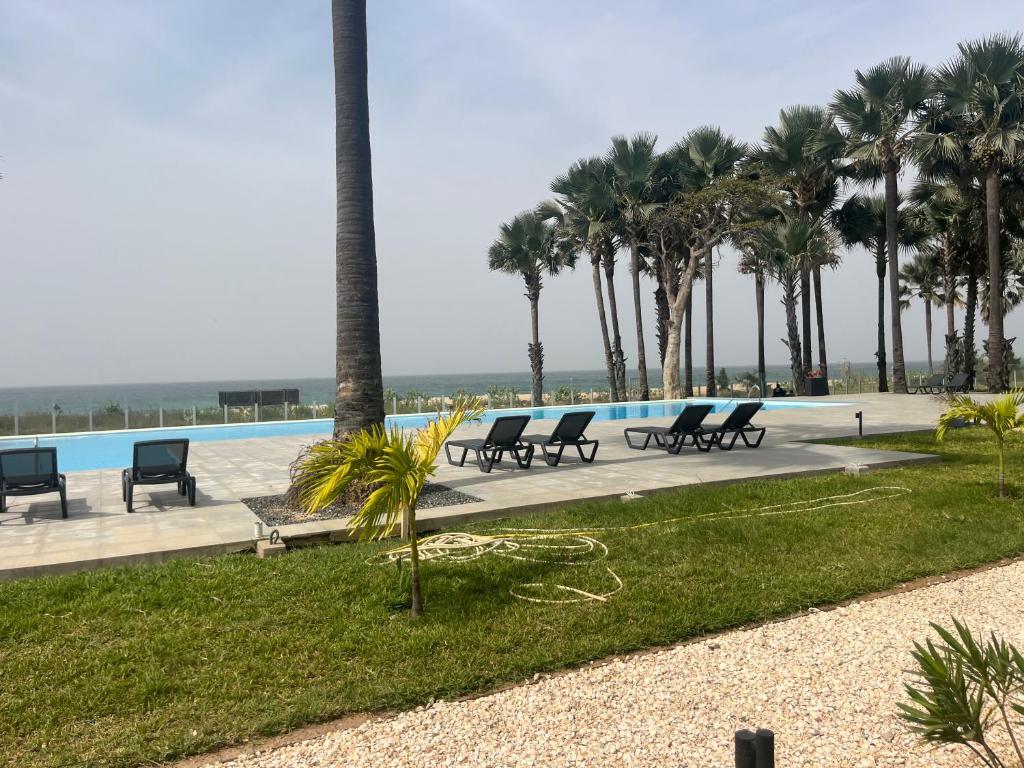
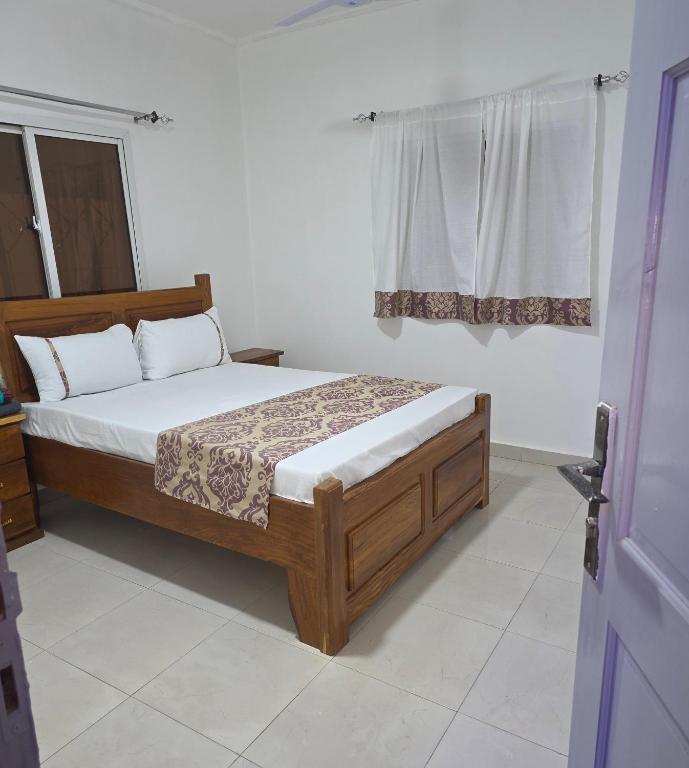

Prices and availability shown on partner sites at time of click. We may earn a commission.
What are bush taxis and how do they operate in The Gambia?
Bush taxis are shared minivans or small buses that serve as the primary public transport between towns and villages across The Gambia, providing an affordable and flexible way to get around.
These vehicles typically leave once full, so waiting times vary but tend to be short in busy spots like Banjul Central Business District or Serekunda Market. Fares are fixed yet often negotiable before boarding; for example, a trip from Banjul to Bakau along Kairaba Avenue costs about EUR 1.50 to 2. Bush taxis generally follow set routes but can drop passengers off along the way, including near landmarks such as the Arch 22 monument. Inside, the vehicles can be crowded and usually lack air conditioning, so travelers should prepare for basic conditions and the scent of warm engine oil mixed with local spices from street vendors.
Tickets are bought directly from the driver or conductor, who often calls out destinations loudly. Carry small change as drivers rarely provide large notes. Services run from early morning until early evening, with fewer departures after 6 pm. For detailed route information and advice, see Driving in The Gambia: Car Hire, Roads & Routes.
How do ferries function for crossing the Gambia River?
Ferries provide crucial river crossings, connecting the southern and northern banks of the Gambia River, especially between Banjul Ferry Terminal and Barra, serving pedestrians, vehicles, and traders.
The main ferry runs between Banjul, the capital on the north bank, and Barra on the south bank. It operates daily from around 6:00 am to 6:00 pm, with departures every 30 to 60 minutes depending on demand. The crossing takes about 20 minutes. Passengers can hear the hum of the diesel engines and the calls of fishermen on the riverbanks.
Tickets cost roughly EUR 0.50 for foot passengers and EUR 3 to 5 for vehicles. Arriving early during busy times such as weekends or holidays is wise to avoid long queues. The ferry can become crowded, with basic facilities including open-air seating and a small snack stand selling local peanuts and fresh fruit juices. Beyond Barra, local transport options like bush taxis connect to towns such as Farafenni or Janjanbureh.
Map of banjul
What are practical tips for using public transport in The Gambia?
Using public transport efficiently in The Gambia requires some planning, awareness of schedules, and readiness for informal conditions.
Always carry small denominations of Gambian Dalasi or Euros for fares, since drivers may not provide change. Confirm the fare with the driver before boarding bush taxis to avoid misunderstandings. For safety, keep an eye on your belongings and avoid traveling after dark, especially on less busy routes outside Banjul and Serekunda, where street lighting is minimal.
Language might be a barrier; basic English is common in urban centers, but learning some key phrases in Mandinka or Wolof helps with communication. When using ferries, check the latest operating times locally at Banjul Ferry Terminal since schedules can shift due to weather or maintenance. For longer trips, private car hire or guided tours can provide more comfort and reliability.
How accessible is Banjul city center and what transport options are available?
Banjul city center is compact and accessible, with options including walking, bush taxis, and horse-drawn carts for short distances.
The central area, featuring landmarks like the National Museum and Albert Market on Liberation Avenue, lies within a 15-20 minute walk from the Banjul Ferry Terminal. Bush taxis can be flagged down for rides within the city and to nearby suburbs such as Fajara or Bakau, with fares generally under EUR 1.50.
Horse-drawn carts, locally called "camels," run on fixed routes and provide a traditional form of transport mainly for short trips. Riders hear the clip-clop of hooves and smell dry grass as carts pass by. Banjul is pedestrian-friendly, but visitors should watch for uneven pavements and traffic on busy streets like Kairaba Avenue. The main bus station in Banjul connects to national bush taxi routes for travel beyond the city.
What should travelers know about car hire and driving in The Gambia?
Car hire is available in The Gambia, offering freedom for independent travel, but drivers should be prepared for local road conditions and traffic rules.
Driving is on the right-hand side. Speed limits are generally low: around 50 km/h in towns like Banjul and Serekunda, and 80 km/h on rural roads. Road quality varies; main routes between Banjul, Serekunda, and coastal resorts such as Kololi and Kotu are paved, while secondary roads can be uneven, sandy, or potholed.
International driving permits are advised along with a valid national license. Fuel stations concentrate in urban centers, so plan refueling stops accordingly. For detailed advice on routes and car hire, see Driving in The Gambia: Car Hire, Roads & Routes.
“If you’re on Kairaba Avenue around 6 pm, catch a bush taxi for about 50 dalasi to Serrekunda, but don’t forget to haggle and hold your bag tight. Also, the ferry at Banjul docks runs late, so plan accordingly if you want to avoid waiting in the heat.”
Where can travelers find information on timetables and fares for public transport?
Timetables for bush taxis and ferries are informal and often based on demand, but local bus stations and ferry terminals provide the most reliable current information.
Most bush taxi routes operate on a fill-and-go basis without fixed departure times. Posted schedules at Banjul Ferry Terminal show approximate ferry departure times, though these can change due to weather or maintenance.
Many tourist accommodations assist with up-to-date transport details and can arrange private transfers if needed. Official sources such as the Government of The Gambia website offer general travel advisories and updates.
What local customs and etiquette should be observed when using transport?
Showing respect to drivers, conductors, and fellow passengers is important when using public transport in The Gambia.
It is customary to greet the driver and conductor politely with "hello" or "good morning" in English, or use local greetings like "Salaam Aleikum." When boarding, wait your turn calmly and avoid pushing. Small tips of around 10-20 Dalasi (EUR 0.15-0.30) are appreciated but not required.
Women traveling alone often find it safer to sit near the driver or conductor. Avoid loud conversations or disruptive behavior. Following these practices helps ensure a respectful and smooth travel visit.
How do locals typically travel within The Gambia?
Locals mainly use bush taxis for intercity travel and shared minibuses within urban areas like Serekunda and Banjul. Bicycles and motorbikes are common for short trips, especially in rural regions such as the Central River Division. Walking is frequent for short distances within towns.
Ferries play a vital role for traders and commuters crossing the river daily. Horse-drawn carts remain in use in some communities for moving goods and people. Understanding these local travel habits helps visitors adapt to everyday Gambian life and make suitable transport choices.
Reference Resources
How can travelers save money on transport in The Gambia?
To reduce transport costs, use bush taxis instead of private taxis or car hire for short to medium distances. Sharing rides with locals cuts expenses and provides insight into daily life. When taking ferries, buying tickets in Dalasi rather than foreign currency avoids unfavorable exchange rates.
Walking is free and practical in compact towns like Banjul and Bakau. Booking combined tours or transfers through local operators can sometimes offer better prices than arranging transport independently. For budget accommodation options near transport hubs such as Serekunda Bus Station, see Budget Hotels and Guesthouses in The Gambia.


